Listen to Money Management for Tenants
Listen/Read time 12m 20s
Signing a tenancy agreement is not just about finding the perfect place to call home; it’s also a significant venture into responsible financial stewardship. In this guide on money management for tenants, we delve into some of the crucial aspects of financial responsibility that every renter should embrace. The ability to manage finances effectively is not only a key to maintaining a comfortable living situation but also a means to secure a solid financial foundation for the future. As tenants navigate the intricate landscape of monthly budgets, rent payments, and unexpected expenses, the importance of sound money management cannot be overstated. So r5ead on to discover practical tips, strategies, and insights that will empower tenants to take control of their money and start them on the way to long-term financial stability.
Please remember that New Mills Properties are not financial advisors. While we have researched and confirm that everything below is accurate at time of publishing. Tenants should do their own research or speak to a professional financial advisor.
Understanding Credit and Loans
Credit, loans and debt are three financial concepts that every tenant should understand for a secure financial future. Credit is like a financial report card, indicating how trustworthy you are as a borrower. A good credit score opens doors to better financial opportunities. Loans are borrowed funds that can be a helpful resource, but it’s crucial to choose wisely and understand the terms. Whether it’s a student loan or a personal loan, be mindful of interest rates and repayment plans.
While debt is not inherently bad, managing it is key. Think of debt as a tool—it can help you achieve goals like buying a home or pursuing education. However, too much debt, especially high-interest debt, can become a financial burden. Always strive for a balance and consider your long-term financial health. Understanding these concepts is a crucial step in the journey of money management for tenants, ensuring a solid foundation for financial well-being.
Using credit responsibly is akin to navigating a financial tightrope – it requires balance, caution, and a keen awareness of your financial surroundings. First and foremost, know your credit score. Regularly check your credit report to catch any errors and understand how potential lenders view your financial history. Maintaining a good credit score opens doors to favorable interest rates and better financial opportunities.
When it comes to credit cards, treat them as financial tools, not free money. Keep a low credit utilisation ratio by not maxing out your credit limit; aim to use only a small percentage of the available credit. Pay your credit card bills in full and on time to avoid interest charges.
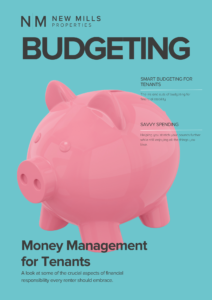
Download our free Budgeting magazine, filled with useful information to make your money go further.
Responsible credit use involves:
- Creating a Budget: Incorporate your credit card expenses into your monthly budget. This ensures you spend within your means and can cover your credit card bills without accumulating debt. Keep your credit card for things like holidays or large buys where you can take advantage of additional consumer protection.
- Emergency Fund: Have an emergency fund to cover unexpected expenses instead of relying on credit cards. This reduces the likelihood of accumulating debt during financial challenges.
- Understanding Interest Rates: Be aware of the interest rates associated with your credit cards and loans. High-interest debts can quickly become unmanageable, so prioritise paying off high-interest debts first.
Avoiding Debt Traps:
- Steer Clear of Payday Loans: These loans often come with exorbitant interest rates, leading borrowers into a cycle of debt. Explore alternative options before considering payday loans.
- Read the Fine Print: Understand the terms and conditions of any loan or credit agreement before signing. Pay attention to interest rates, fees, and repayment schedules to avoid surprises.
- Limit Unnecessary Borrowing: Only take out loans for essential purposes and for items that will go up in value. Avoid accumulating debt for non-essential items. Consider saving up for discretionary purchases instead of relying on credit.
- Seek Financial Advice: If you find yourself facing financial challenges, don’t hesitate to seek advice from financial counsellors or experts. They can provide guidance on managing debt and creating a sustainable financial plan.
By integrating responsible credit use into your overall money management strategy, you empower yourself to build a positive credit history while avoiding the pitfalls of debt traps. Remember, financial well-being is a journey, and each prudent step contributes to a more secure and stable future.
Budgeting Tools and Apps
In the digital age, technology emerges as a powerful ally in the quest for effective money management, providing tenants with innovative tools to navigate their financial landscape with precision. Budgeting apps, for instance, allow tenants to effortlessly track income and expenses, offering real-time insights into their financial health. Online banking platforms streamline rent payments, ensuring a seamless and secure transaction process. Additionally, digital tools enable tenants to set financial goals, automate savings, and receive timely reminders for bill payments, fostering a proactive and organized approach to money management. Embracing technology not only simplifies financial tasks but also empowers tenants to make informed decisions, ultimately contributing to a more stable and secure financial future.
Before you even apply to rent a property check out the Government’s Money Helper site. They have some useful tools to help you work out how much rent you can afford and a handy budget planner to help you work out your monthly expenses.
Entitledto includes a tool for individuals to check and see if they are entitled to any benefits.
Martin Lewis has some easy to use budgeting spreadsheets that you can download from MoneySavingExpert.com This site is packed full of money saving tips and advice and is well worth a good read. Alternatively set up your own spreadsheet on Google Sheets or similar platform.
If you prefer to manage your money on your phone there are a number of apps that are available to help. Popular budgeting apps include:
- Emma links to your bank accounts, allows you to set budgets and track spending. It can also report your rent payments to Equifax, Experian and TransUnion to improve your credit history. There is a free version or you can upgrade to Pro or Pro Plus for additional features.
- Goodbudget is similar and cheaper for the pro version, but doesn’t link to your bank accounts.
Your banking app may also have tools available to help you allocate money, set reminders to pay bills and set monthly spending limits. If not, consider switching to one of the app based banks.
- Starling Bank gives real-time notifications when you use your debit card, insights into your spending and lets you set up savings goals. There are also no fees for spending or cash withdrawals abroad, making it a top-pick debit card for frequent travellers.
- Chase gives a top rate of cashback on most spending. You can also set up its ’round-up’ feature, which rounds all purchases up to the nearest £1, with the difference autosaved into a separate account paying 5%. You can create up to 20 extra accounts and there’s also a monthly spending overview.
- Monzo has similar features to Starling. The difference comes with savings – Monzo has its own instant access savings ‘pot’ but also lets you set up ‘pots’ with its partner banks too, which often pay higher interest rates
Building A Savings Habit
Setting up and growing a savings account is a pivotal aspect of sound money management for tenants. Begin by researching and selecting a savings account with favorable interest rates and minimal fees. Many banks offer online platforms that make account management convenient. Once your account is established, set clear savings goals – whether it’s an emergency fund, a future down payment, or a vacation fund. Allocate a portion of your income to your savings regularly, treating it as a non-negotiable expense. Consistency is key, and even small contributions can accumulate over time, providing a financial safety net and opening doors to future opportunities.
Consider exploring savings accounts with specific features such as high-yield accounts or those linked to investment options. Diversifying your savings strategy can potentially yield higher returns. Additionally, periodically review your savings goals and adjust them based on changes in your financial situation or new aspirations. By actively managing and nurturing your savings account, you not only cultivate financial security but also develop a robust foundation for future financial endeavours.
Automating savings is a game-changing strategy that transforms sporadic contributions into a consistent financial habit. Most banks offer automatic transfers, allowing you to schedule a fixed amount to be transferred from your checking to your savings account regularly. By automating this process, you eliminate the risk of forgetting or neglecting to save, turning it into a seamless part of your financial routine. This approach aligns perfectly with the principles of effective money management for tenants, as it ensures that savings are prioritised without requiring constant manual intervention.
Making saving a habit involves integrating it into your budget and lifestyle. Start by setting realistic savings targets that align with your financial goals. Whether it’s a percentage of your income or a fixed amount, choose an approach that suits your circumstances. Treat your savings as a non-negotiable expense, much like paying rent or utility bills. Over time, automated savings not only accumulate funds for your goals but also instill financial discipline, transforming a sporadic effort into a lasting and beneficial habit for long-term financial well-being.
Investment Basics for Beginners
As tenants develop their money management skills, introducing simple investments becomes a key consideration for those looking to grow their financial wealth. One accessible option is National Savings and Investments (NS&I), a government-backed institution offering various savings and investment products. From Premium Bonds to Income Bonds, NS&I provides low-risk investment opportunities with competitive interest rates. These options can be an excellent starting point for tenants looking to dip their toes into the world of investments while prioritising the safety of their funds.
Savings bonds are another straightforward investment vehicle. These fixed-term investments typically offer higher interest rates than regular savings accounts, making them an attractive option for those willing to lock in their money for a set period. Explore different savings bond options to find the terms and rates that align with your financial goals. Additionally, mutual funds, consisting of a pool of money from multiple investors, provide diversification and professional management, making them an accessible entry point for individuals looking to invest in a variety of assets without the need for extensive financial expertise.
Beginning to invest with a small budget is not only possible but can also be a prudent step toward financial growth. For tenants looking to dip their toes into the investment landscape, consider starting with low-cost index funds or exchange-traded funds (ETFs). These investment options often have lower fees than actively managed funds, providing a cost-effective way to gain exposure to a broad range of assets. Research funds that align with your risk tolerance and financial goals to create a diversified and balanced portfolio.
For tenants with a modest budget, robo-advisors offer an automated and affordable investment solution. These online platforms use algorithms to create and manage a diversified portfolio based on your risk profile and financial objectives. With low minimum investment requirements, robo-advisors provide an accessible entry point for individuals who want a hands-off approach to investing. Remember to regularly review and adjust your investment strategy as your financial situation evolves, ensuring that your investment portfolio remains aligned with your long-term goals. By starting small and progressively expanding your investment endeavours, tenants can embark on a path of financial growth and wealth accumulation.
Understanding Taxes and Benefits
Understanding tenant-specific tax information and exemptions is a crucial element of comprehensive money management for tenants. In the UK, tenants may be eligible for certain tax benefits, and being aware of these can contribute significantly to financial well-being.
Tenants may be eligible for Council Tax Reduction based on their income and circumstances. This reduction can significantly alleviate the financial burden associated with council tax payments. Another crucial benefit is the Universal Credit, a comprehensive welfare scheme that combines various benefits, including housing support, into a single payment. Universal Credit is designed to provide financial assistance to individuals on a low income or those who are out of work. Understanding and accessing these government benefits is an integral part of effective money management for tenants, offering a safety net during times of financial uncertainty and contributing to overall financial stability.
Planning for the Future
For tenants, the prospect of retirement might seem distant, but laying the groundwork for a secure future is a crucial aspect of comprehensive financial planning. Pension schemes play a pivotal role in this journey. In the UK, tenants can contribute to workplace pension schemes, where both the individual and the employer contribute funds. This long-term savings strategy ensures that tenants build a financial cushion that will support them during their retirement years. Understanding the various pension options available and maximising contributions while employed is an essential step in securing a comfortable retirement.
Beyond pension schemes, effective retirement planning involves a holistic approach that extends to estate planning and wills. Creating a will is a fundamental aspect of ensuring that your assets are distributed according to your wishes. For tenants, this includes any property, savings, and possessions they may have acquired. Estate planning is not just for those with extensive wealth; it’s a responsible measure that provides clarity and peace of mind regarding the distribution of assets. By taking the time to plan for the future, tenants can navigate their retirement years with confidence and leave a legacy that reflects their values.
Estate planning is not solely about the distribution of assets; it’s also a strategic approach to preserving wealth and minimizing tax implications. Tenants can explore various tools, such as setting up trusts or gifting strategies, to ensure that their loved ones inherit their assets with minimal financial strain. This process involves a comprehensive assessment of one’s financial situation, including property ownership, investments, and other valuable possessions. With proper estate planning, tenants can safeguard their assets, reduce the burden of inheritance tax, and leave a lasting legacy for future generations.
Drafting a will is a deeply personal and responsible decision that allows tenants to articulate their wishes regarding their estate. Beyond asset distribution, wills can include personal directives such as naming guardians for dependents, specifying funeral arrangements, and even outlining charitable contributions. Tenants should review and update their wills periodically to ensure that it aligns with their current circumstances and desires. Taking this proactive step not only provides clarity for loved ones but also empowers tenants to have a say in the future of their estate.
Navigating the intricacies of pension schemes, retirement planning, estate planning, and wills can be complex. Seeking professional advice from financial advisors, estate planners, and legal experts is a wise move for tenants. These professionals can provide personalized guidance based on individual circumstances, ensuring that tenants make informed decisions that align with their financial goals and aspirations. By integrating these elements into their overall financial strategy, tenants can embark on a journey of comprehensive planning that encompasses both their current well-being and their future legacy.
Financial Education Resources
There are lots of free resources across the internet to help you upskill yourself and learn more about money management for tenants. The Open University has a number of free courses on their Open Learn site. But search for recommended books and podcasts to progress your development too. And please let us know what you find helpful.
Download our free Budgeting magazine, filled with useful information to make your money go further.