Smart Budgeting for Tenants: A Comprehensive Guide
Listen to: Smart Budgeting for Tenants: A Comprehensive Guide
Listen/Read time 7m 28s
If you’re a tenant, you know that managing finances can sometimes feel like a juggling act. But fear not! In this comprehensive guide, we’ll walk you through the ins and outs of budgeting for tenants, helping you achieve financial stability without any stress. Whether you’re a first-time renter or a seasoned tenant, these smart budgeting strategies will empower you to take control of your finances and live comfortably within your means.
Understanding Your Income and Expenses
Before diving into budgeting tips, it’s essential to understand your income sources and regular expenses. Identify your sources of income, such as your salary, freelance work, or any other earnings. Next, list your monthly expenses, including rent, utilities, mobile phone, groceries, transportation, subscriptions and entertainment. Being aware of your financial ins and outs is the first step toward effective budgeting.
Start by writing everything down or use something like a Google spreadsheet and include absolutely everything that you can think of. Use our free Tenant Monthly Budget Template to get you started.
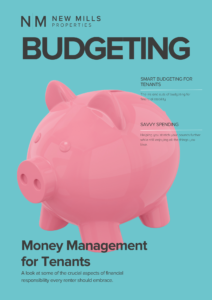
Download our free Budgeting magazine, filled with useful information to make your money go further.
Creating a Realistic Budget
Now that you know your income and expenses, it’s time to create a realistic budget. Allocate funds for essentials like rent, utilities, and groceries first. Then, set aside a portion for savings and emergency funds. Don’t forget to include discretionary spending for leisure activities and entertainment.
Consider using the 50/30/20 rule. This is where you allocate 50% of your income to essential spending. 30% is allocated to discretionary spending on things that you want but don’t necessarily need. The final 20% is allocated to savings and investing in your future.
Some people use a similar 75 /15/10 rule. This is where 75% of income is used for spending. Then 15% is used to invest in your future and 10% is used for savings. You will need to adjust the percentages to suit your income and expenditure.
Remember, a well-structured budget acts as a roadmap, guiding you toward financial stability.
Saving Money on Rent and Utilities
Be proactive about discussing rent increases with your landlord and explore energy-saving tips to minimise utility bills. Small changes, like using energy-efficient appliances and lighting or sealing drafts, can lead to substantial savings over time.
Tell your landlord straight away if there are maintenance issues with any installed appliances, prompt repairs to boilers heating systems or ovens will save you money on your gas and electric bills. New Mills Properties tenants should repost issues on our repairs and maintenance portal.
Budget-Friendly Grocery Shopping
Meal planning and smart grocery shopping are key to saving money on food expenses. Plan your meals for the week, create a shopping list, and stick to it. Look for discounts, use loyalty cards, and consider bulk buying for non-perishable items. With a bit of planning, you can enjoy delicious meals without breaking the bank.
And if you are a New Mills Properties tenant and haven’t registered with our Perks Platform yet please email lettings@newmillsproperties.com and ask them to send you another registration email. Through our Perks Platform you can save money every week on grocery and high street shopping.
Managing Debt and Credit
Understanding credit scores and managing debt is crucial for financial health. Regularly check your credit score and report, and learn about debt management strategies. Avoid accumulating high-interest debt, and if you have existing debts, create a repayment plan.
A couple of strategies for managing debt that you might think about include
The Snowball Strategy
This is where you pay the smallest debt as quickly as possible, paying the minimum amount on all other debts. Then, when that has been paid, add the amount you paid for the smallest debt to the amount you are paying for the next smallest debt. Keep doing that until you are able to pay larger amounts off the final debt.
The Avalanche Strategy
This is where you pay off the debt with the highest interest first and pay the minimum amount off all other debts. When the first debt has been paid, add the monthly amount you were paying for that to the debt with the next highest interest rate. When you have paid the first debt you will be able to pay further debts more quickly.
Being mindful of your credit and debt can save you from financial headaches down the road.
Emergency Funds and Financial Security
Building an emergency fund is like creating a safety net for unexpected expenses. As a minimum we recommend building savings equivalent to three to six months of your salary. Additionally, consider tenant insurance to protect your belongings in case of theft, fire, or other unforeseen events. Financial security brings peace of mind and helps you navigate challenges with confidence.
Investing in the Future
While renting, it’s essential to plan for your future. Explore savings accounts and investments that offer competitive interest rates. Research different investment options that align with your risk tolerance and financial goals. Even small investments can grow over time, providing you with financial security in the long run.
Dealing with Unexpected Expenses
Life is full of surprises, and some of them come with a price tag. Prepare for unexpected expenses by regularly contributing to your emergency fund. In case of financial hardship, explore local resources and support services. Community organizations and charities can provide assistance during difficult times.
Budgeting for tenants is not just about managing money; it’s about empowering yourself to live a fulfilling life within your means. By understanding your finances, creating a realistic budget, and planning for the future, you can achieve financial stability and enjoy peace of mind. Remember, your financial journey is unique, so don’t hesitate to seek advice and adapt your budgeting strategies as your circumstances change. Here’s to smart budgeting and a secure financial future!
Download our free Budgeting magazine, filled with useful information to make your money go further.
Cooking, drying clothes, showering – even breathing – add to the moisture in the air. If this moisture is allowed to build up it can cause damp. This can increase the risk of respiratory illness and cause black mould growth on walls, ceilings, furniture and clothing. In this blog, we’ll get right into why this…
At New Mills Properties, we pride ourselves on providing unparalleled service to both tenants and landlords. Recently, we had the pleasure of facilitating a rental transaction that exemplified our commitment to efficiency and excellence. In just under 7 days, we successfully handed over the keys to a new tenant, from the initial inquiry to moving…
Listen to The Ultimate Guide to Deep Cleaning Your Rental Read/Listen 8m 24s Deep cleaning is the act of thoroughly cleaning your home from top to bottom. Traditionally carried out in the Spring, it is often called Spring cleaning. It is an ancient tradition, still followed by many people around the world. Iranians ‘shake…